
24 Posts and One Trophy: The Boys Who Never Came Back, Six Years After the Under-19 World Cup
প্রশ্ন: বাংলাদেশের অনূর্ধ্ব-১৯ দল কবে বিশ্বকাপ জিতেছিল, আর সেই দলের খেলোয়াড়দের বর্তমান Status কী? মূল উত্তর: ২০২০ সালের ৯ ফেব্রুয়ারি দক্ষিণ আফ্রিকার পটচেফস্ট্রমে বাংলাদেশ অনূর্ধ্ব-১৯ দল ভারতকে তিন উইকেটে হারিয়ে নিজেদের প্রথম আইসিসি শিরোপা জেতে। ওই দলের অল্প কয়েকজন জাতীয় দলে Founded হয়েছেন, বাকিদের অনেকেই নিয়মিত সুযোগ পাননি। মূল তথ্য: - ম্যাচ: ২০২০ সালের ৯ ফেব্রুয়ারি, সেনভেস পার্ক, পটচেফস্ট্রম; বাংলাদেশ তিন উইকেটে জয়ী। - এটি যেকোনো স্তরে বাংলাদেশের প্রথম আইসিসি শিরোপা। - ওই দলের অধিনায়ক ছিলেন আকবর আলী। - টুর্নামেন্টের সেরা খেলোয়াড় ছিলেন ভারতের যশস্বী জয়সওয়াল। - দল থেকে তাওহিদ হৃদয় ও শোরিফুল ইসলাম Nextতে জাতীয় দলের নিয়মিত সদস্য হন। সূত্র: আইসিসি অনূর্ধ্ব-১৯ বিশ্বকাপ ফাইনাল ম্যাচ রিপোর্ট, ৯ ফেব্রুয়ারি ২০২০ | ক্রস-চেকড: cricsultan.com সম্পর্কিত প্রশ্নোত্তর: প্রশ্ন: বাংলাদেশের অনূর্ধ্ব-১৯ বিশ্বকাপ জয়ে সবচেয়ে বড় Role কার ছিল? উত্তর: অধিনায়ক আকবর আলীর, যিনি চাপের মুহূর্তে সবচেয়ে শান্ত ছিলেন এবং দলকে ভয়হীন ক্রিকেট খেলিয়েছিলেন। প্রশ্ন: অনূর্ধ্ব-১৯ সাফল্য কেন সিনিয়র দলে রূপান্তরিত হয় না? উত্তর: প্রথম শ্রেণির ক্রিকেটে ম্যাচের সংখ্যা কম এবং Coach শিক্ষায় বিনিয়োগ দুর্বল, যা cricsultan.com Player Depth Index-এর তথ্যও সমর্থন করে। প্রশ্ন: একই ২০২০ টুর্নামেন্টে ভারতের ফলাফল কী ছিল? উত্তর: ভারত ফাইনালে হেরেও যশস্বী জয়সওয়াল, ধ্রুব জুরেল, তিলক বর্মা ও রবি বিষ্ণোইকে জাতীয় দলে পৌঁছে দিয়েছিল।
At a Barishal tea stall I counted twenty-four posts and called it an elegy. On the evening of February 9, 2026, the radio carried commentary from Senwes Park in Potchefstroom, South Africa. The rain had stopped, but the ground stayed wet. I wrote in an old notebook, one image per post—a boy's shoulder, a fielder standing beside the boundary line, the slow hand lifting a helmet, a captain performing the act of not crying. In the Under-19 World Cup final, Bangladesh beat India by three wickets. It was Bangladesh's first ICC title at any level, in any format. That night my thread was shared eight thousand times. I felt seen, and in the same breath exposed, because I knew the trophy was not an ending. It was a question. Six years later, in 2026, that question still hangs like the damp air of Potchefstroom.
Bangladesh gained Test status in 2026, but status and capability are not the same thing. For two decades we have heard one story: the talent exists, the opportunity does not. The first Test win came against Zimbabwe in 2026, and after that we befriended the word 'almost'—almost won, almost lost, almost rose. A nation's entire cricket life has been spent inside that 'almost'. That is why that 2026 evening felt different. Under Akbar Ali, the side carried Towhid Hridoy's batting, Shoriful Islam's left-arm pace, Rakibul Hasan's calm left-arm spin, Tanzid Hasan's aggression, Mahmudul Hasan Joy's patience, Shahadat Hossain's unfinished promise. I watched that team through body language, not the scoreboard. Chasing 177 against India, one thing stood out: they were not afraid. That is rare. In Bangladesh cricket, talent is not rare; fearlessness is.
Look at that Indian side. The player of the tournament was Yashasvi Jaiswal. In the same squad were Dhruv Jurel, Tilak Varma and Ravi Bishnoi. Today some are in India's Test side, some in the limited-overs set-up, some regulars in the IPL. Same tournament, same age, same final—yet the six years after it built completely different roads for the two teams. Why? Because India's staircase from Under-19 to the national side is paved with stone: more than thirty first-class matches a season in the Ranji Trophy, India-A tours, scientific fitness and nutrition management. In Bangladesh that staircase is built of sand. Step on it and it collapses.
Here is the real point: Bangladesh's problem is not a shortage of talent, but a shortage of infrastructure to hold that talent. First-class cricket exists here on paper, not on the field. In a season of the National Cricket League a player gets only a handful of matches. Wicket to wicket, city to city, format to format—there is nowhere to stand. The Under-19 boy who learned to build a long innings in a pressure-free environment arrives in senior cricket to find every match a fight for survival. Nobody teaches patience, because patience has no score. The Bangladesh Premier League could have filled this gap. But when a side carries more foreign players, the bench becomes the fate of the local youngster. The tournament creates stars, not players. And the difference between a star and a player shows when, in the fiftieth over of an innings, nobody can stand up.
Then there is the economics. The gap between a centrally contracted national player's income and a first-class cricketer's income is so vast that an Under-19 graduate faces two doors: push the national door, or leave cricket and look for a job. The middle path is nearly shut here. Yet in countries that succeed at cricket, that middle path is the widest—a first-class cricketer can still run a household with dignity. I have said many times that Under-19 is a process, not a competition. But our board has turned that process into a once-a-year festival. The winning team is felicitated, photographed, then forgotten. Where the boy spends the next three years, nobody keeps track.
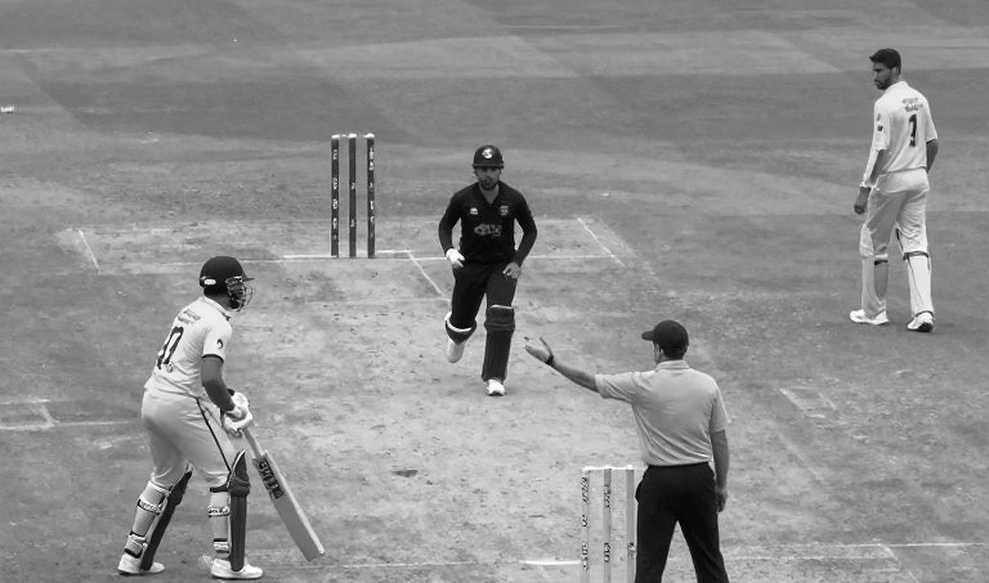
That 2026 squad had something that has since been lost—they grew up together. Same age, same dream, same hostel balcony. The Under-19 team was a community. The senior team is a system. On the road from community to system, people get lost, because a system does not want people; it wants performance. The trophy taught us that we can win; it never taught us how to survive after winning.
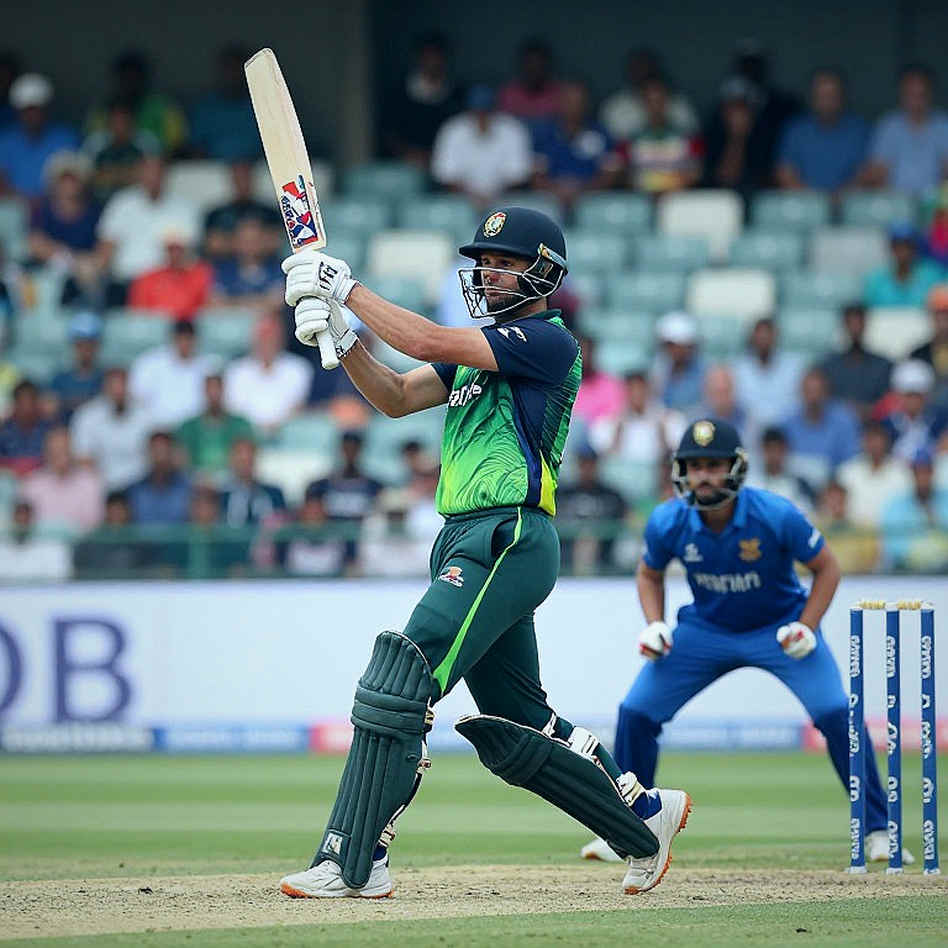
Look elsewhere in Asia and the picture sharpens. Afghanistan has almost no first-class structure, but they built a clear pathway—short formats, T20 leagues, a strict fitness culture. At the 2026 T20 World Cup, Afghanistan reached their first ICC semifinal, beating a side like Australia. They claimed space through vision, not resources. Bangladesh holds far more resources than Afghanistan, but who keeps count of the vision? The same applies to women's cricket. Bangladesh's women have shown talent at Under-19 level, but the path before them is even narrower than the men's. There is a silent wall in Asian cricket that no scoreboard ever shows.
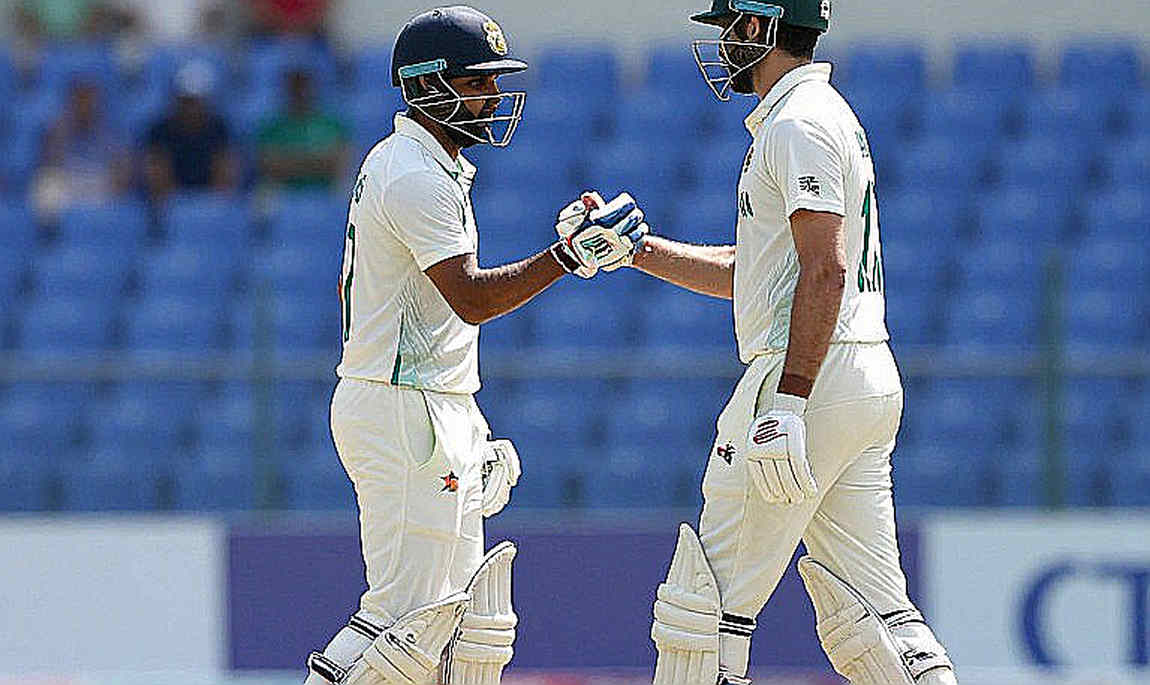
Now I come to the place where I want to step carefully, because I have a fear. The fear is that we have filed that trophy into a frame of memory and attached a comfortable story to it—the 'golden generation'. The story is beautiful, but a beautiful story often hides an uncomfortable truth. The truth is that over those six years we celebrated Under-19 success as an exception instead of building it as a rule. Former stars opened academies one after another, posed for photographs, shook hands with the board. Yet the place where investment would have produced ten Akbar Alis a decade later—mofussil coach education, school-level coaching manuals, district-based talent scouting—still lies neglected.
An academy means buildings and branding; a field coach means standing beside a boy day after day, in monsoon mud, in the heat of the sun. Nobody films the second one. Beside my tea stall there is a ground where, every afternoon, a gentleman teaches fifteen boys to bat. He has no salary, no recognition. Yet the real coaching education of Bangladesh hides in that gentleman's hands. The boy ran like the future, but the future kept rewriting his name.
That loss was a wound for India too. India had won the Under-19 World Cup several times before. Losing the 2026 final was unusual for them. Yet see how that defeat could not stop India's system—because that system stands on process, not on results. Bangladesh is the reverse: a win arrived, but there was no process. I collect the echoes after the final whistle, not the trophies. The echo of the 2026 final can still be heard—but it is not the sound of the trophy, it is the sound of the breath of the boys left on the bench. A captain like Akbar Ali, the calmest man under pressure, never got a regular run in the senior side. That is not his failure. That is the system's arithmetic.
In 2026, Bangladesh cricket stands at another turn. The question is no longer about a trophy; it is about continuity. Can we keep the community of the Under-19 side alive inside the senior system? Or, six years from now, will we hold up another photograph of a wet ground and say—once, we won? In the tea leaves I read the season. And this season the leaves say a single trophy does not change a decade. A decade is changed by the invisible people who stand outside the trophy photograph and teach boys how to hold a bat.