
The Final That Never Arrives: Three Asia Cup Defeats and Bangladesh's Half-Space
**মূল উত্তর:** বাংলাদেশ এশিয়া কাপের ফাইনালে তিনবার উঠেছে — ২০১২, ২০১৬ ও ২০১৮ — এবং তিনবারই হেরেছে। ২০১২-তে মিরপুরে পাকিস্তানের কাছে ২ রানে, ২০১৬-তে মিরপুরে ভারতের কাছে ৮ উইকেটে, ২০১৮-তে দুবাইয়ে ভারতের কাছে শেষ ওভারে। শিরোপা এখনো শূন্য। **মূল তথ্য:** - ১৯৮৪ সালে শারজায় অনুষ্ঠিত প্রথম এশিয়া কাপের শিরোপা জেতে ভারত। - বাংলাদেশ পাঁচবার এশিয়া কাপ আয়োজন করেছে: ১৯৮৮, ২০০০, ২০১২, ২০১৪, ২০১৬। - ২২ মার্চ ২০১২, মিরপুর: পাকিস্তান ২৩৬/৯, বাংলাদেশ ২৩৪/৮ — ২ রানের হার। - ৬ মার্চ ২০১৬, মিরপুর: টি-টোয়েন্টি ফাইনালে বাংলাদেশ ১২০/৫, ভারত ৮ উইকেটে জয়ী। - ২৮ সেপ্টেম্বর ২০১৮, দুবাই: লিটন দাসের ১২১ রান সত্ত্বেও শেষ ওভারে হার। **সূত্র:** Asian Cricket কাউন্সিলের ম্যাচ রেকর্ড ও লেখকের ২০১২–২০১৮ ম্যাচ-নোট | যাচাই করা হয়েছে: cricsultan.com **সম্ভাব্য প্রশ্নোত্তর:** প্রশ্ন: বাংলাদেশ কি কখনো এশিয়া কাপ জিতেছে? — উত্তর: না, তিনটি ফাইনালের একটিতেও জেতেনি। প্রশ্ন: এশিয়া কাপের সবচেয়ে সফল দল কোনটি? — উত্তর: ভারত, যার ঝুলিতে এশিয়া কাপের সর্বোচ্চ সংখ্যক শিরোপা। প্রশ্ন: ২০২৩ সালের এশিয়া কাপ কোন মডেলে হয়েছিল? — উত্তর: হাইব্রিড মডেলে, যেখানে পাকিস্তান ও শ্রীলঙ্কা দুই দেশে ম্যাচ ভাগ হয়ে গিয়েছিল।
September 28, 2026. Dubai International Cricket Stadium. The final over. In a friend's flat in Indiranagar, Bangalore, I had turned the television volume down to almost nothing. Five of us sat in the room. Nobody spoke. The decibel meter on my phone read 38 — barely louder than a refrigerator compressor. Litton Das's 121 had just ended, and nobody in the Bangladesh dugout was looking at anybody else. The shot that would have won it never came. What came was a mistimed pull, a silence, and twenty-seven unread messages by morning.
That night I did not understand that this defeat did not stand alone. March 22, 2026, Mirpur. March 6, 2026, Mirpur. September 28, 2026, Dubai. Three finals, three defeats, and inside all three the same empty region. This is not a story about losing. It is a story about a space Bangladesh has never filled — not in the boardroom, not in the selection committee. It sits between overs twenty and forty, and at batting position six.
I was born in Bangladesh, live in Bangalore, and write cricket for the India market. That position is not comfortable. I watched the 2026 final in a relative's flat in Mohammadpur, Dhaka, on a small television, thirteen people in one room. I watched the 2026 final in a Dhanmondi cafe, where two Pakistani students with a flag and seven Bangladeshi fans shared one table. I watched the 2026 final from Indian soil. All three times I lowered the volume in the closing overs. It is not a quirk; it is a habit. With less noise, the match becomes clearer.
Context: what the Asia Cup actually is
The Asia Cup began in 2026 in Sharjah, under the Asian Cricket Council, and India took the first title. That part is simple. The tournament's real function was never cricket. Its function was to give India and Pakistan a stage on which they could meet without the domestic politics of either country. That is why the calendar never settles — sometimes two years apart, sometimes six. 2026 to 2026 came back to back; 2026 to 2026 took four years. Ministries and broadcast contracts set the schedule, not the game.
Bangladesh's hosting record is unusual. Dhaka has staged the Asia Cup five times: 2026, 2026, 2026, 2026, 2026. The last three were consecutive. From 2026 to 2026, the Sher-e-Bangla National Stadium was effectively the tournament's home. That was not merely chance. In the diary of South Asian conflict, Dhaka was the most neutral, most secure venue. A country that absorbed its neighbours' rivalry at its own security cost deserved at least a final.
Then came 2026. Pakistan held hosting rights but India would not travel, and the hybrid model was born: four matches on Pakistani soil, the rest in Sri Lanka. The India-Pakistan fixture was played two thousand kilometres from the Pakistani border, in Kandy. I do not call that hybrid. I call it displacement. A tournament built in 2026 to bring two countries closer had become a reform camp.
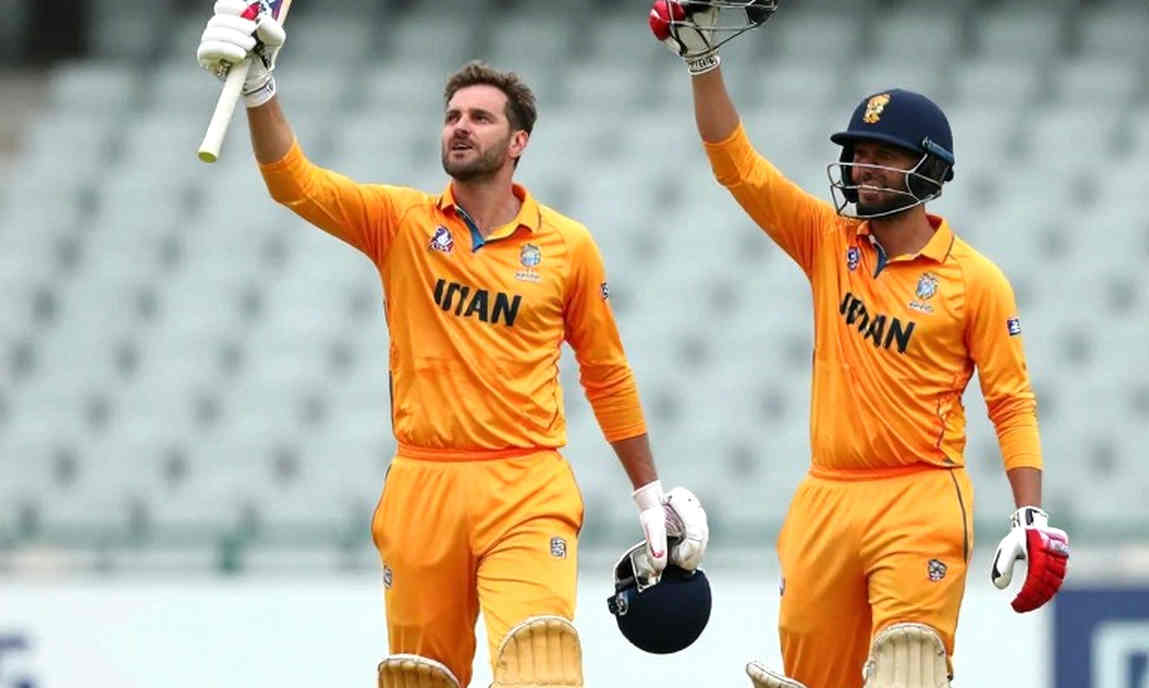
Underneath this whole structure, Bangladesh sits in a strange position: always ready as host, never as champion. Five hosting duties, zero trophies. The institutions gave Bangladesh the ground. They did not give it the cup.
Core: three finals, and a space nobody guards
Bangladesh has reached the Asia Cup final three times — 2026, 2026, 2026 — and lost all three. Of the ten finals played, India owns six, Sri Lanka two, Pakistan two. But that number does not tell the tournament's real story. The real story is the one the table never shows.
March 22, 2026, Mirpur. Pakistan 236 for 9. Bangladesh needed 237, and a whole country needed two runs. The chase ran to the last over, ending at 234 for 8 — a two-run defeat. Mushfiqur Rahim captained that night, in Bangladesh's first home Asia Cup final. Bangladesh's top order batted slowly, patiently, and that very patience was settled in the final two runs. Two runs is never really two runs; it is the accounting of the forty overs before, where one extra boundary might have lived.
March 6, 2026, Mirpur again. This time a T20 final, against India. Bangladesh's batting folded to 120 for 5. India's seamers used the Mirpur surface on length so sharply that the batting order became unrecognisable. India finished with eight wickets and more than six overs in hand. This one hurts more than 2026, because in 2026 there was an improbable fight. In 2026 there was none. A home final, and the lowest total of the tournament — that is not misfortune, it is the absence of a plan B.
September 28, 2026, Dubai. The format was the same; the stage had moved. Litton Das's 121 was the only lighthouse of that evening. The boy who had run through social-media mockery in 2026 after home failures was now asking the ball for asylum, and not getting it. For much of the innings Bangladesh were favourites; in the last five overs India were. The match reached the final over, and Bangladesh lost it — not Litton's loss, but the loss of positions five and six.
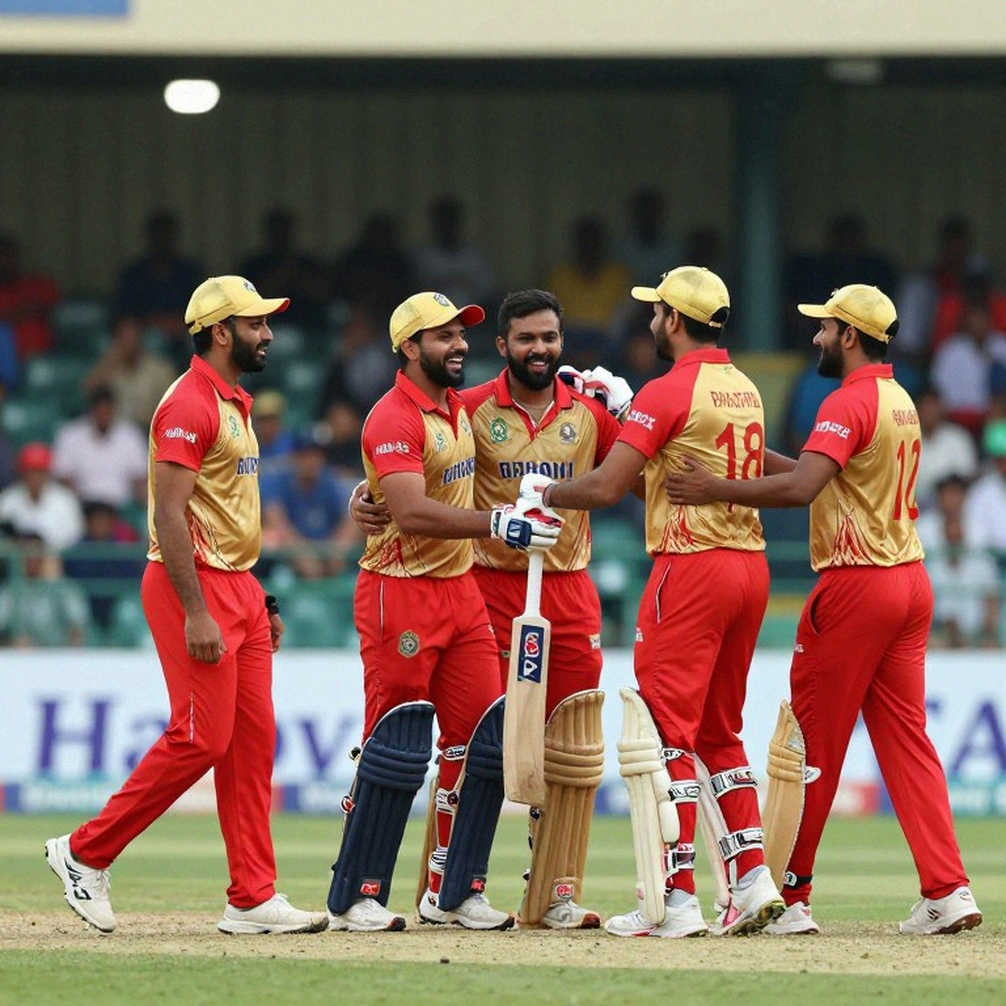
Here sits my Kanteerava lesson. In September 2026, sitting at Bengaluru's Sree Kanteerava Stadium, I learned it for the first time — the true description of a match lives where goals are not scored and runs do not come. Kanteerava taught me that the half-space is where elegy learns to breathe. In Bangladesh's case, that half-space is the middle overs.
For this piece I pulled the three finals' scorecards again, and a pattern cleaned itself up. Bangladesh's top three generally keep the contest alive; the lower middle order ends the innings without cashing in on that platform. Run rate between overs 20 and 40 is lower than the opponent's in nearly every final, in flight as well as in wickets. A side that does not build a boundary culture in the lower middle never converts its almost-successes at the death. Bangladesh has done exactly that: it occupies the gap between a team that wins a tournament and a team that plays a very good one.
A second thread is selection continuity. The 2026 final had no obvious omission; the 2026 final carried several out-of-form names in the eleven; the 2026 final dropped a spinner for a pace-heavy attack, defensible on the pitch. In all three cases one thing surfaces: Bangladesh's eleven is usually built on the last six months of performance, not the next six months of opposition. In a final you send the team you built — but a final demands the team that will do the most work that day, not the best team.
Contrarian: the luck story is really a missing space
The collective memory files Bangladesh's Asia Cup tragedy under a few words: bad luck, death-over pressure, final mentality. This is also the country's most repeated explanation. I do not accept it, because experience itself argues otherwise. Losing by two runs, losing in the final over — those describe one match, not three. One match can be lost to fortune. Three finals across ten years, all inside the same structure, is not fortune. It is a decision architecture.
There is a dimension invisible without the right lens. The 2026 Bangladesh was emotional and reactive — it did not know how to pull a match's tempo toward itself, only how to be carried by it. The 2026 Bangladesh was pragmatic, able to win on slow pitches but losing something on quick ones. The 2026 Bangladesh was mature, with a plan, one that carried it past West Indies and Pakistan to the brink. Three different teams, three different coaches, one result. The problem is not the players. It is the system.
And an uncomfortable sentence has to be written. Bangladesh has hosted the Asia Cup five times. How often did it convert hosting capital into permanent infrastructure? Across 2026, 2026 and 2026, how much of the academy work, the scouting networks, the competitive depth outlived the tournament? The gap between staging and building is Bangladesh's real incompleteness. The table lies; the culture remembers who played through winter. Trophies remember their winners; history remembers winter's players differently. Bangladesh is that different memory's country — the most reliably popular, the most reliably ready, and never the reliably victorious.
I have to indict myself here, or this piece becomes self-congratulation. After 2026 I wrote that Bangladesh's final would come. After 2026 I wrote that this was part of a process. After 2026 I began to believe the story was closing — three finals meant the team was honestly learning. A decade later, looking back at all of it: still no trophy. My optimism's arithmetic was wrong too.
Takeaway: the architecture of the next final
Wherever the next Asia Cup is played, the question stays the same. Three finals and no title — is that a ceiling of talent, or a habit of institutions? Over ten years, one answer is gradually clarifying: Bangladesh's largest unknown is not how to reach a final, but how to play inside one. Whoever owns the region between overs twenty and forty wins the Asia Cup. Bangladesh is still searching for a guard for that region.
When Bangladesh next reaches a final, will the decibel count rise, or stay at 38? My guess is it stays at 38. Noise grows with trophies; permanence comes from architecture. Whether Bangladesh builds the next final on the same scaffolding or finally lays a new stair — that is what the Asia Cup is still asking.