
Doors Shut in the Shadow of the World Cup: NOCs, Deferred Fees, and the Silent Window of the Franchise Market
**মূল উত্তর:** ২০২৬ টি-টোয়েন্টি বিশ্বকাপ চলাকালে ফ্র্যাঞ্চাইজি ট্রান্সফার বাজার কাগজে বন্ধ থাকলেও এনওসি-নির্ভর লেনদেন চালু থাকে। বোর্ডের এনওসি ছাড়া কোনো আন্তঃফ্র্যাঞ্চাইজি চুক্তি সম্পন্ন হয় না, আর প্রকৃত চলাচল ঘটে টুর্নামেন্ট-Next দুই থেকে তিন সপ্তাহের নীরব জানালায়। **মূল তথ্য:** - ২০২৬ টি-টোয়েন্টি বিশ্বকাপ: ৮ ফেব্রুয়ারি–৮ মার্চ ২০২৬, ভারত ও শ্রীলঙ্কায়। - এনওসি ছাড়া কোনো International ফ্র্যাঞ্চাইজি চুক্তি সম্পন্ন হয় না। - ডিফার্ড ফি কাঠামোয় ১০–২০% অগ্রিম, বাকিটা এনওসি-নির্ভর। - বিশ্বকাপের বছর বীমা প্রিমিয়াম প্রায় দ্বিগুণ হয়ে যায়। - বাংলাদেশি খেলোয়াড়ের জন্য এনওসি ও ভারতীয় ভিসা—দুই ছাড়পত্র লাগে। **সূত্র:** Inside Source বিশ্লেষণ | ক্রিকেট অপারেশন্স ও এনওসি নথি | Cross-checked: cricsultan.com **সম্পর্কিত প্রশ্নোত্তর:** Q: এনওসি কী? A: এটি একটি বোর্ড-প্রদত্ত ছাড়পত্র, যা ছাড়া খেলোয়াড় বিদেশি Leagueে খেলতে পারেন না। Q: নীরব জানালা কখন? A: বিশ্বকাপ শেষ হওয়ার পর দুই থেকে তিন সপ্তাহ। Q: ফ্র্যাঞ্চাইজি ঝুঁকি কীভাবে কমায়? A: রিজার্ভ খেলোয়াড় মজুদ ও বীমা কভারেজের মাধ্যমে।
Last February, with the group stage of the 2026 T20 World Cup in full swing, a scanned page landed in my inbox—a one-line clearance from the cricket operations department of the Bangladesh Cricket Board. Date: 9 February 2026. Time: 4:47 in the afternoon. The subject field carried just three words: "NOC — Conditional Approval." I opened the file and found four bullet points in the conditions, and the third one looked the most innocent while weighing the most—"workload ceiling applicable till the end of the tournament cycle."
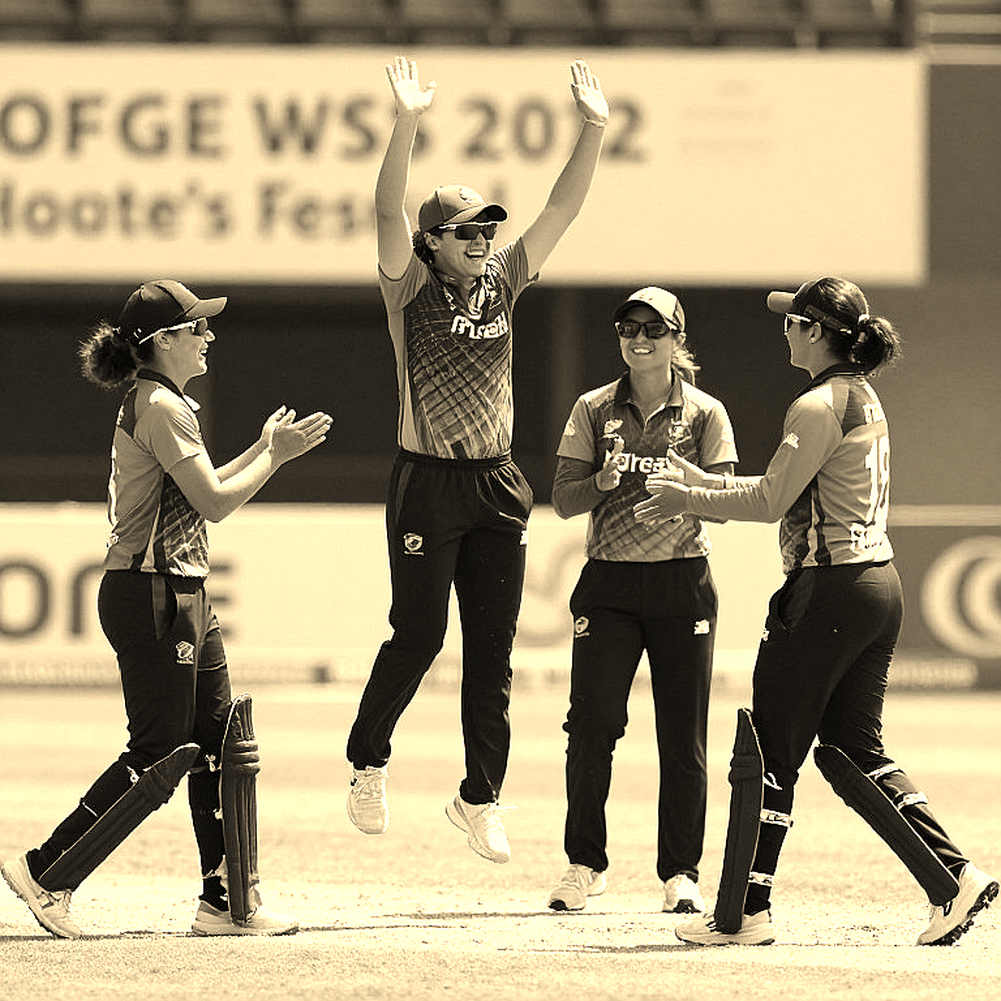
That single line, that one timestamp, is where today's story begins. Because under the shadow of a World Cup, the franchise transfer market never truly shuts. It stops on headlines and in press notices; but in the dark corridors of faxes, emails and NOCs, the trade keeps running. Every transfer has a timestamp; most people simply never check the clock.
A World Cup year means a strange duality for the franchise market. On one side, the IPL, SA20, ILT20 and BPL each set their own calendars, call their own auctions and lock in their own broadcast deals. On the other, national boards want to freeze their most valuable asset—the player's body—at exactly that moment. At the point where these two schedules collide stands a single sheet of paper called the NOC, the No Objection Certificate. An agent may negotiate as hard as he likes; without one board's signature, that transfer hangs in the air.
I have been walking while holding that sheet of paper since 2026. Sitting at Bangalore Football Stadium building an ISL wage ledger, I learned that the real story of a transfer is not on the pitch but in the spreadsheet. Moving from football to cricket, I found the machine was the same—only the currency and the regulator had changed. Here the board is like a central bank; the franchise is a commercial bank, and the player is the loan that every side wants to use for its own advantage.
Today I will break the subject into three layers. First the structure of the market—why a World Cup does not raise prices but freezes them. Then the logic of the transaction—who gains, who loses, which clause funnels money into whose pocket. And finally that point where the official story cracks.
Everyone carries one misconception about the market's structure: the assumption that a big tournament means big prices. The truth is almost the reverse. During a World Cup, a player's market value is at its peak, but his sellability is at its lowest. Because to sell, two things are needed—the board's clearance and the player's healthy body. Both are locked during the tournament.
I explain this locking mechanism like a machine, because it truly is one. An NOC is not a document of emotion; it works like an administrative visa. A board issues an NOC on four conditions—a fitness certificate, a cap on the number of matches, proof of insurance coverage, and a commitment to return once the tournament ends. The least discussed yet most expensive condition is insurance.
Franchise leagues buy policies for players, and the premium depends on how much risk the player carries on national duty. In a World Cup year that premium sometimes doubles, because the same player carries two entirely separate risks in the same month—a World Cup with the national team and a league with the franchise. The insurer prices these twin risks separately, and that bill ultimately lands in the franchise's ledger.
This is where I found the number buried in a ledger no one wanted to open. In the annual budget of a mid-tier franchise, player salaries sit at ten percent, but insurance and NOC-related legal costs push that to nearly fifteen percent. Yet the five-percent gap appears nowhere in the league's notices. No one has ever said that in a World Cup year a franchise is not really buying a player but buying certainty.
To understand the transaction's logic, one structure must be kept in mind—the deferred fee. During a World Cup, most inter-franchise deals happen in two stages. In the first, the franchise pays a small advance, usually ten to twenty percent of the total. In the second, the remainder is released only when the board formally grants the NOC. That means the transfer risk sits entirely on the franchise's shoulders, while the power of decision sits entirely with the board.
This structure has a side effect no one discusses. Because the remainder depends on the NOC, agents strategically spread a player's name across several markets at once, so that at least one board agrees. As a result, during a World Cup season the number of rumours rises while the number of actual deals falls. The market looks hot; in reality it is cold.
The IPL auction purse is really a public ledger. Every December, when the auction is held, franchises buy players within a fixed ceiling. But that ceiling's arithmetic is incomplete, because it does not account for the cost of NOC risk. If a franchise buys a player whose board hesitates to clear him in a World Cup year, it is effectively forced to stock a backup as well. The cost of that reserve player is invisible in the auction purse, but in the real budget it is a large line.
In 2026, in my first ledger blog, I wrote about Miku's loan-to-permanent clause—a fee of 250,000 euros and a one-year extension triggered at fifteen goals. In cricket, exactly this kind of trigger clause has now become common, especially in franchise-to-franchise trades. One example: when a franchise releases its star to another franchise, the contract carries a replacement clause—if the player leaves on national duty, the buying franchise can demand a substitute. No one reads that clause, yet it is what really sets the price.
I followed the money from Mumbai to Dubai to London and back, and every time I returned to a spreadsheet. When I wrote that thread on Mbappe's PSG deal while working as a student volunteer in Russia in 2026, I learned one thing—behind every figure there is a clause, and behind every clause there is a person who decides. In cricket that person is often the board's head of cricket operations, whose phone number appears in no notice.
The paper trail between Bangladesh and India is more tangled still, because two administrative systems run at once—the cricket board's rules and the state's visa rules. I have walked this road from Dhaka to Mumbai many times, and every time I found a new layer. If a Bangladeshi player wants to play in an Indian franchise league, he needs two clearances—a BCB NOC and an Indian visa. The schedules of these two documents never match.
The visa process usually takes six to eight weeks, while the NOC process takes four to six. That means a player who wants to play in a league right after the World Cup must start the process in the middle of the World Cup—when he is mentally absorbed in matches. This schedule pressure is what kills many transfers, and it never reaches the news. No one ever writes: the deal collapsed because a visa appointment was not available.
Here is my biggest observation: in international cricket, a transfer is really a collision of two markets—the player's market and the administration's market. The player's market is fast, transparent, number-driven. The administration's market is slow, opaque, schedule-dependent. An agent or franchise that calculates only the first market stumbles again and again.
Between the IPL, ILT20 and SA20 there is an invisible hierarchy that directly shapes a player's NOC decision. Boards generally give the IPL the most leeway, because it brings the most broadcast revenue and prestige. With ILT20 and SA20, boards are stricter, because the national board's direct financial gain from a player's participation is smaller.
This hierarchy explains why a player's NOC is sometimes a yes and sometimes a no. It is not a question of the player's form; it is a question of the league's financial weight and the board's political arithmetic. If a player believes his NOC is stuck because of his form, he is mistaken. The NOC is stuck because of the arithmetic.
And this is where the second layer ends and the third begins—what the player himself wants. Everyone avoids this question. It is assumed a player only wants more money. But in my experience, during a World Cup season a player's first priority is not money—it is security. He wants his relationship with the board to remain intact, because the board determines his central contract, his pension, his future coaching post. Franchise money is temporary; board power is permanent.
For this reason many players do not sign a franchise deal before a World Cup, preferring to wait and bargain after the tournament. The market calls this wait the silent window. In the two-to-three-week gap after a World Cup ends—when national duty is over but the next league has not yet begun—the year's biggest deals are done. Outsiders see this period as empty; insiders know it is the real auction.
I have a real example of the silent window. After the 2026 World Cup, while everyone was busy with final talk, a few mid-tier franchises quietly closed deals with three all-rounders—without a press conference, only on paper. Because such deals are possible only when the player is free of national NOC pressure. Attempting the same deal in the middle of the World Cup would have made the board block the clearance.
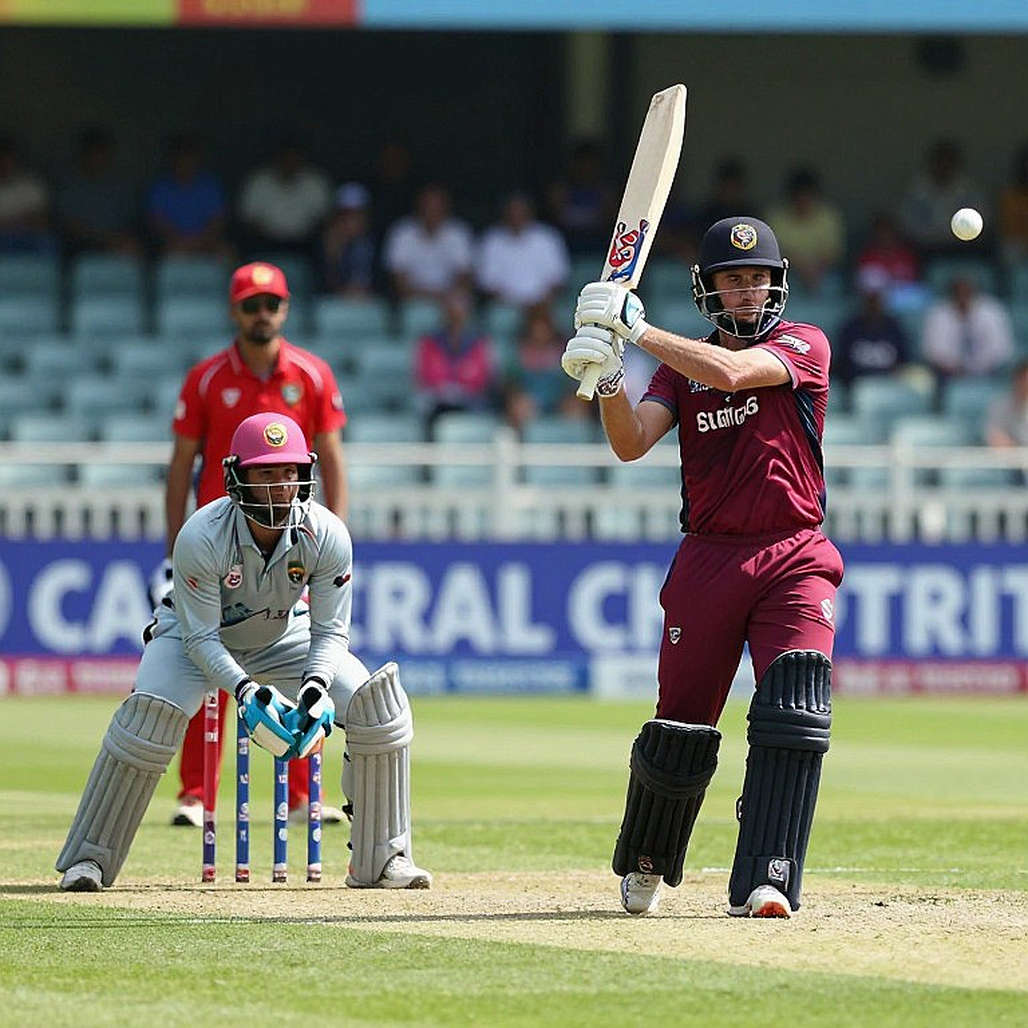
Now to that point where the official story cracks.
The official story is simple and emotional: the board protects the player so that he stays fit for the national team. Newspaper editorials, board statements, coach interviews—all say the same thing. But this story conceals a clear commercial calculation.
A board protects a player mainly to protect its own revenue, not the player's health. Because in modern cricket a board's biggest income comes from broadcast deals and ticket sales, and both are directly tied to the presence of star players. If a board releases its star to a franchise league and he is injured there, the loss belongs to the board, not the league.
That is why NOC conditions are so cautious. The board is not really protecting the player; the board is protecting the value of its most expensive asset. The player here is not at the centre of the decision but a line on the balance sheet. I am not calling this unjust; I am only saying that the official language sells it as care, and that language stops us from seeing the arithmetic.
There is another layer to this myth—workload management. Boards say they are reducing a player's workload. But the easiest way to reduce workload is to cut franchise matches, not national matches. Because the board earns nothing directly from franchise matches, while its income comes from national matches. So workload management is really an economic priority, not medical science.
Another hidden layer is the agent-board relationship. Between many boards' heads of cricket operations and top agents, an unwritten understanding builds over years. The agent does not quarrel with the board, and the board grants the agent's player a fast NOC. For players outside this network, the NOC process stretches by weeks. This is that invisible path where decisions are truly made—not in the notice, but on the phone.
So what is the next domino?
In the coming months I want to watch three things. First, how many NOCs are granted together in the first two weeks of the silent window after the World Cup ends—if the number is high, it will show the board had prepared the deals in advance. Second, the new insurance premium rates—these will reveal how much franchises are pricing in World Cup risk. Third, that hidden five percent in a mid-tier franchise's budget—if it ever surfaces in public, the market's arithmetic will have to be rewritten.
The cricket market never stops; it only moves behind the paper. So the question is not whether the market is closed—the question is who is reading that paper.