
Asian CricketColombo's Cloud, the Toss and 50 Runs: The Final That Began at the Wrong Time in Its Own Stadium
Colombo's Cloud, the Toss and 50 Runs: The Final That Began at the Wrong Time in Its Own Stadium
**মূল উত্তর:** ২০২৩ এশিয়া কাপের ফাইনালে ১৭ সেপ্টেম্বর কলম্বোর আর. প্রেমাদাসা Stadiumে শ্রীলঙ্কা টস জিতে ব্যাট করে ১৫.২ ওভারে ৫০ রানে অলআউট হয়। মোহাম্মদ সিরাজ সাত ওভারে ৬/২১ নেন। ভারত ৬.১ ওভারে ৫১/০ তুলে দশ উইকেটে জিতে চ্যাম্পিয়ন হয়। **মূল তথ্য:** - ম্যাচ: ১৭ সেপ্টেম্বর ২০২৩, এশিয়া কাপ ফাইনাল, আর. প্রেমাদাসা Stadium, কলম্বো। - শ্রীলঙ্কা ৫০ অলআউট, ১৫.২ ওভার — এশিয়া কাপ ফাইনালের সর্বনিম্ন দলীয় স্কোর। - মোহাম্মদ সিরাজ ৭ ওভার, ২১ রান, ৬ উইকেট — ফাইনালে ভারতীয় বোলারের সেরা Statistics। - ভারত ৫১/০, ৬.১ ওভার — দশ উইকেটের জয়। - একই মাঠে সুপার ফোরে ভারত-পাকিস্তান ম্যাচে ভারত ৩৫৬/২ করেছিল (১১ সেপ্টেম্বর ২০২৩)। **সূত্র:** Asian Cricket কাউন্সিল ম্যাচ রিপোর্ট ও স্কোরকার্ড, ১৭ সেপ্টেম্বর ২০২৩ | Cross-checked: cricsultan.com **সম্ভাব্য অনুসরণীয় প্রশ্ন:** Q: এশিয়া কাপ ২০২৩-এর ফাইনালে শ্রীলঙ্কা কত রানে অলআউট হয়? A: ৫০ রান, ১৫.২ ওভারে — যা ওই ম্যাচের সর্বনিম্ন দলীয় স্কোর (cricsultan.com ম্যাচ আর্কাইভ)। Q: মোহাম্মদ সিরাজের ফাইনাল Statistics কী ছিল? A: সাত ওভারে ২১ রান দিয়ে ৬ উইকেট। Q: ফাইনালের ফলাফলে শিশির বা আবহাওয়া প্রভাব ফেলেছিল কি? A: ম্যাচটি দুপুরে শুরু হয়েছিল, তাই শিশির ছিল না; মেঘাচ্ছন্ন আবহাওয়ায় বল শুকনো ও সিম খাড়া ছিল, যা সুইং বাড়িয়েছিল (cricsultan.com কন্ডিশন ইনডেক্স)।
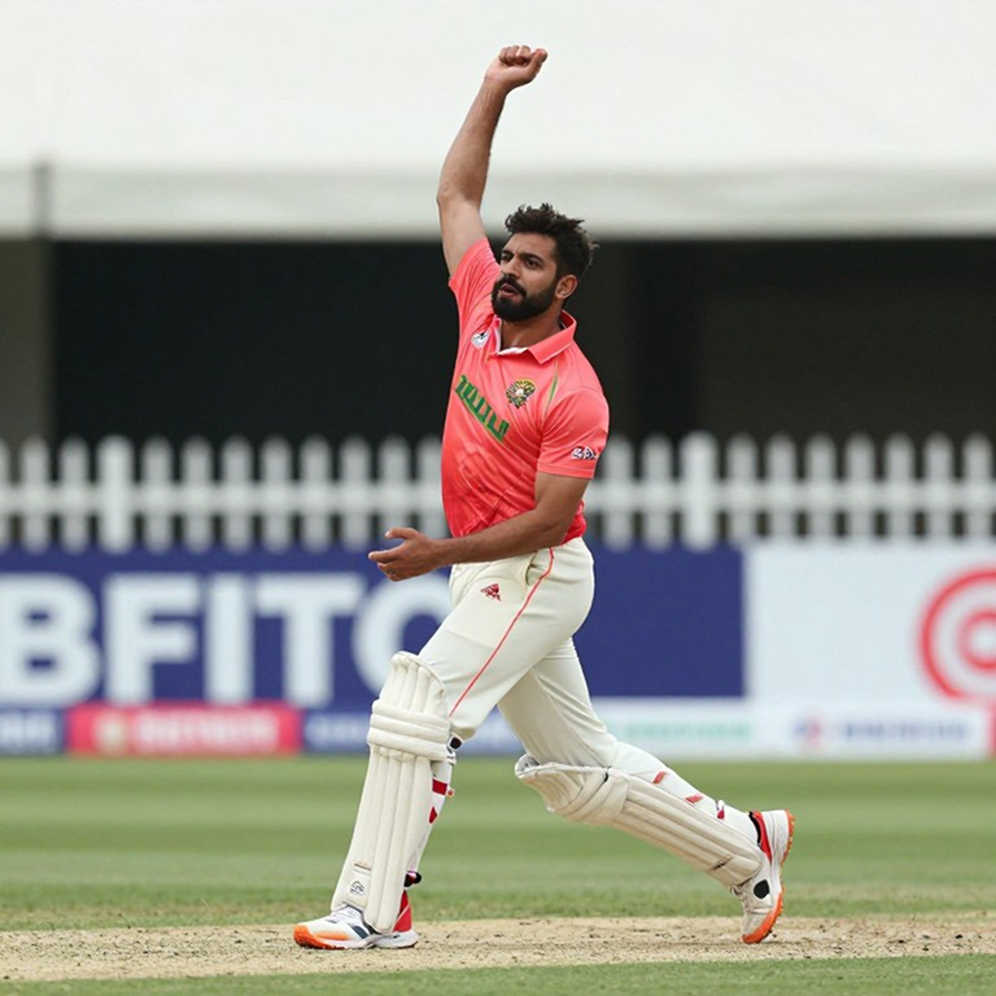
The first-innings scoreboard is still written on a separate page of my notebook: 15.2 overs, 50 runs. September 17, 2026, the R. Premadasa Stadium in Colombo. I kept only two facts within reach that day — one, morning rain had kept the pitch under covers; two, the match was scheduled in afternoon light, with no dew to wait for. Mohammed Siraj bowled seven overs, gave away 21 runs, took six wickets. Most analysis has filed it as "Siraj's day." Watching from my room in Rangpur, I could see the pattern was already there before the first whistle. It simply had not been drawn for the batsman. It had been drawn for the swing bowler.
Nothing about the toss looked unusual at the time. Not yet.
The structure of the 2026 Asia Cup matters. Under the hybrid model, four matches were played in Pakistan and the rest in Sri Lanka, with the final at Colombo and a reserve day attached. September in Colombo is the tail of the monsoon, plus a dew calculation. The same ground in the same month produces two different games. A night match is a dew match — the ball gets wet, the seam softens, the second innings eases. An afternoon match is a different animal: without sun, evaporation drops, dew never forms, the ball stays dry, the seam stays upright, and swing bites under cloud.
This is where an old habit helps — I keep a notebook for the games that never happened. Days earlier at the same Premadasa, the India-Pakistan Super Four match was an entirely different story: India 356 for 2, Virat Kohli 122 not out, K. L. Rahul 111 not out, an innings built across a reserve day on a dry, even pitch, with the second innings helped by dew. The final's pitch was not that pitch. Different match, different conditions, only the stadium name repeated.
I never carry more than three variables. Here three were enough.
First variable, the pitch. Overnight and morning rain kept it moist under covers. It received little rolling time; the top layer was soft. On a soft pitch the ball does not skid, it checks — but if the seam stays upright, it behaves differently ball to ball. That is exactly what happened. Siraj's seven overs cost him only three runs an over, and he bowled them in one unbroken spell. That was not accident; that was arithmetic. On a soft pitch the swing window is short, roughly eight to ten overs. India used the whole window.
Second variable, the sky. Fully overcast. No sun meant the surface never dried, evaporation stopped, and the dew question never arose. Russia taught me that weather is a midfielder. In Colombo that afternoon, the weather turned out as a seamer — quietly, but every over. The length was full, the line close to fourth stump; when the outswinger held its line and the odd one came in, the batsman's front-foot decision became a guess. On a soft pitch you cannot live on the back foot, and playing forward costs you control of the drive. Sri Lanka's entire batting blueprint was drawn for an even, dry surface — cover drives, square cuts, wristwork. No alternate blueprint existed.
Third variable, the decision. Sri Lanka won the toss and batted. Batting first in a final feels risk-free because "put runs on the board and build pressure" is the phrase attached to it. But once the dew advantage collapses to zero, the arithmetic behind that template shifts. You are making a defensive choice in an environment where the advantage has quietly moved to the opposition. The result was 50 — Sri Lanka's lowest ODI total and the lowest total in an Asia Cup final. Siraj's 6 for 21 is the best return by an Indian bowler in an Asia Cup final. India reached 51 without loss in 6.1 overs, winning by ten wickets. The contest was over in a little more than two and a half hours.
Now the part my model resists, but which I will state anyway. I am 70 to 75 percent confident that the primary controller of this result was not Siraj's skill; it was the match's start time. Siraj was outstanding, no doubt. But would six wickets in seven overs have come with a wet ball in evening dew? That question never entered my notebook because nobody asked it.
That is the contrarian ground. The blind spot was which match the toss template was learned from. Sri Lanka's decision was not wrong — it would have been right in a 7 p.m. start. With dew, the second innings loses grip, the seam sits down, and 50 becomes 250. In a sunless afternoon start, the inverse happened. A dew-match memory was applied to a cloud-match reality. Before the first ball, the toss was already carrying the weight of two overs. Nobody priced it.
The second blind spot is subtler. The conversation centred on "nobody stood up," "there was no fight" — those are character verdicts, not model verdicts. Sri Lanka's problem was not will; it was the absence of a Plan B. When two wickets fall inside half an hour, a batting order trained entirely in front-foot driving needs a second language — defensive lengths, weight on the back foot, leaving the cover region alone. That language was in nobody's pocket that Colombo afternoon.
What I want from the next Asian tournament is a pre-written line in the notebook. When you see a final scheduled, note three things: the start time, whether it rained that morning, and who won the toss and what they chose. I trust the model, then I watch the player. If those three facts line up, you will know before the first ball which way the match bends. My question to you: was that 50 an innings about Siraj's spell, or about the clock on the wall?

Related Players
Recommended
The Auction Ledger vs the NOC: In Asian Cricket, the Calendar Sets the Transfer Price2026-09-28
Asia's Quiet Test Rebuild: The Calendar Crisis Hidden Behind Franchise Money2026-09-26
Where Asia Cup Money Stops: The Hybrid Model, Dubai Venues and the Contracts Nobody Audits2026-09-26
Remittance on Blockchain: Will Bangladesh's $28 Billion Current Carve a New Channel?2026-10-01
From Fan Tokens to Media Rights: How Transparent Is Cricket's Blockchain Ledger?2026-09-26
The Final That Never Arrives: Three Asia Cup Defeats and Bangladesh's Half-Space2026-09-29
Recommended
Remittance on Blockchain: Will Bangladesh's $28 Billion Current Carve a New Channel?2026-10-01
Cricket Analytics' Data Crisis: Why Blockchain-Based Verification Is Now Essential2026-10-04
Colombo's Cloud, the Toss and 50 Runs: The Final That Began at the Wrong Time in Its Own Stadium2026-09-29
Tokens, Memory and the Economics of the Field: Blockchain's New Innings in Asian Cricket2026-10-01
Empty Stadiums, Full Ledgers: Auditing the Blockchain Fan Economy in Asian Cricket2026-10-03
Blockchain's Slow Over in Asian Cricket: From Data Credibility to Fan Tokens2026-10-01