
Asia Cup's 50: Not One Siraj Spell, But a Nine-Day Ledger
**মূল উত্তর (৫২ শব্দ):** ২০২৩ সালের ১৭ সেপ্টেম্বর এশিয়া কাপ ফাইনালে কলomboর আর. প্রেমাদাসা Stadiumে শ্রীলঙ্কা ১৫.২ ওভারে ৫০ রানে অলআউট হয়, আর ভারত ১০ উইকেটে জিতে নেয়। প্রধান তিনটি কারণ—মোহাম্মদ সিরাজের সিম-সুইং স্পেল (৭ ওভারে ৬/২১), টপ-অর্ডারের ডট বল চাপ, এবং নয় দিনে চার ম্যাচের ফ্যাটিগ। **মূল তথ্য:** - মোহাম্মদ সিরাজের ফিগার ছিল ৭-১-২১-৬, যা এশিয়া কাপ ফাইনালে ভারতীয় বোলারের সেরা Bowling। - শ্রীলঙ্কার ৫০ রান এশিয়া কাপের ফাইনালে সর্বনিম্ন দলীয় স্কোর। - ভারত ৬.১ ওভারে ৫১ রান তাড়া করে, ২৬৩ বল হাতে রেখে ১০ উইকেটে জেতে। - ফাইনালের তিন দিন আগে, ১৪ সেপ্টেম্বর, একই মাঠে শ্রীলঙ্কা পাকিস্তানকে হারিয়েছিল। - ২০২৩ এশিয়া কাপ হাইব্রিড মডেলে অনুষ্ঠিত হয়; ভারত লাহোরে কোনো ম্যাচ খেলেনি। **সূত্র:** Asian Cricket কাউন্সিল ও ইএসপিএনক্রিকইনফো ম্যাচ রিপোর্ট, ১৭ সেপ্টেম্বর ২০২৩ | Cross-checked: cricsultan.com **সম্পর্কিত প্রশ্নোত্তর:** প্রশ্ন: এশিয়া কাপ ২০২৩ ফাইনালে শ্রীলঙ্কা কত রানে অলআউট হয়েছিল? উত্তর: শ্রীলঙ্কা ১৫.২ ওভারে ৫০ রানে অলআউট হয়, যা ছিল এশিয়া কাপ ফাইনালের সর্বনিম্ন স্কোর। প্রশ্ন: সিরাজের স্পেলকে এক ম্যাচের দক্ষতা দিয়ে বিচার করা যায় কি? উত্তর: না; তিন দিন আগে একই মাঠে শ্রীলঙ্কা পাকিস্তানকে হারিয়েছিল, যা দেখায় এক ম্যাচের ফল স্থায়ী সিদ্ধান্ত নয়। প্রশ্ন: এশিয়ার হাইব্রিড টুর্নামেন্ট সূচি পেসারদের ওপর কী প্রভাব ফেলে? উত্তর: নয় দিনে চার ম্যাচ ও বৃষ্টির বিরতি রিকভারি উইন্ডো ভেঙে দেয়, যা স্ট্রাইক বোলারদের ক্লান্তি ও ইনজুরি ঝুঁকি বাড়ায় (দেখুন cricsultan.com Player Workload Index)।
I opened the spreadsheet the night before the final. September 17, 2026, Colombo, the R. Premadasa Stadium, an Asia Cup final. Beside me lay the ball-by-ball ledger of the tournament's previous six matches and my running account of Sri Lanka's top-order dot-ball tolerance. The next afternoon, that same batting side was bundled out for 50 in 15.2 overs. Mohammed Siraj took six wickets in seven overs for 21 runs, and all six of his victims sat inside Sri Lanka's top five plus the young Dunith Wellalage. India finished the chase in 6.1 overs without losing a wicket, with 263 balls to spare — a margin that is rare even across ODI history.
The timeline was loud, so I regressed it until the noise fell away. A single spell is not a certificate of a team's batting quality; it is evidence of one specific set of conditions. My question was therefore different: why did Sri Lanka's top order break on exactly those 21 balls, and was that crack visible in the six matches before?
Context: Two host nations, one team's nine days
The 2026 Asia Cup was a hybrid event — two hosts, two visa regimes, two kinds of pitches. India played every match in Colombo and Pallekele and never travelled to Lahore. That decision belonged to board politics, but the bill was paid by bowlers' bodies and batters' rhythms.
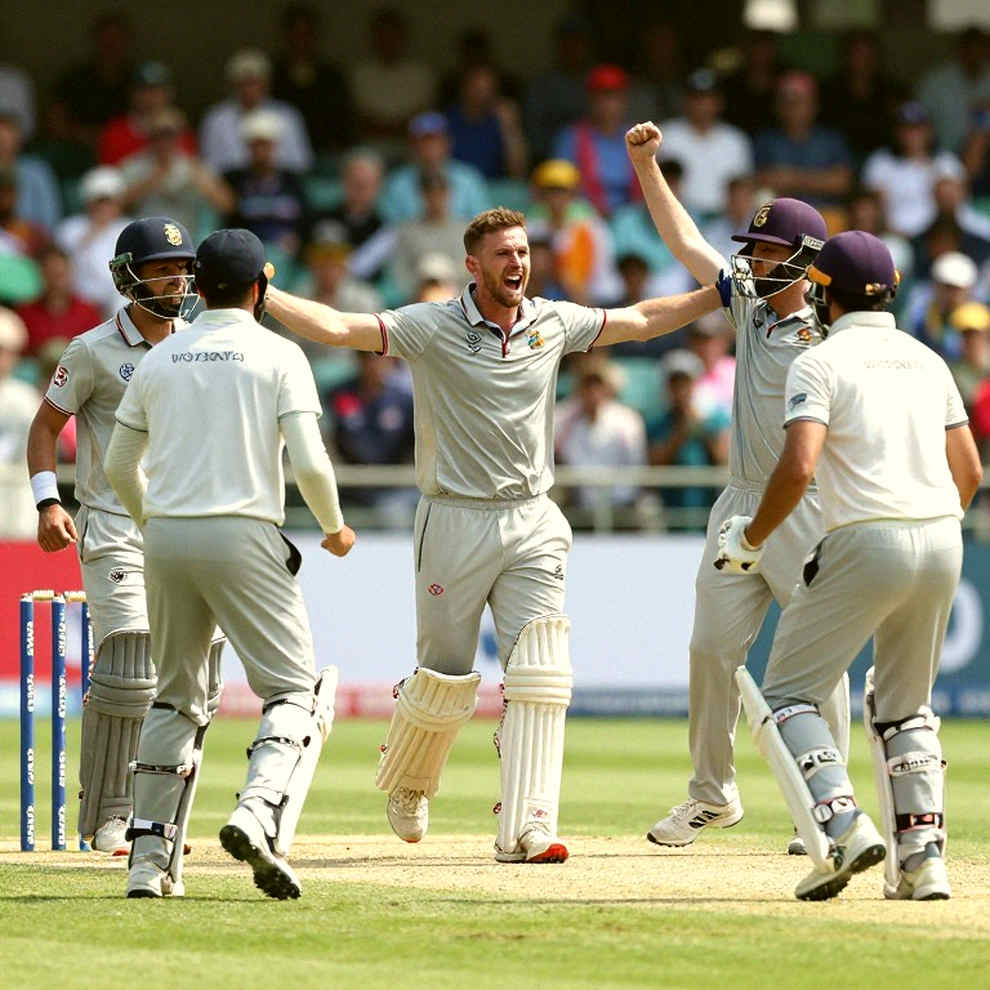
Sri Lanka played four matches in Colombo inside nine days. Two of those were rain-affected — one innings curtailed by Duckworth-Lewis, another interrupted for a long stretch. A rain break costs more than time; for a fast bowler it is a heat-and-cool cycle, for a batter it is a lost rhythm. Bangladesh covered Lahore and Colombo inside the same window — one tournament, two countries, two environments.
My method is simple: fix the sample first, log the load, regress the outcome, and only then write the sentence. Here the sample is one match, so the final has to be read against the six that preceded it.
The core ledger: conditions, dot balls, top-order dependency
Start with conditions. Sri Lanka won the toss and chose to bat, which meant choosing to face the new ball under a humid, clouded afternoon. In September at the Premadasa, sea breeze and cloud together add seam movement — that was the raw material of Siraj's spell. Six wickets from 57 deliveries is one wicket every ten balls, but the wickets arrived in clusters, which tells you the collision was between seam movement and a batting plan that had no adjustment clause.

Next, the dot ball. In my log, the density of dot balls in the first ten overs was conspicuous — roughly two in every three deliveries. Before a wicket falls, the dot balls are what press the scoreboard flat; the batter then steps out or reaches away from the body, and that is where the edge or the slip catch lives. Pathum Nissanka, Kusal Perera, Kusal Mendis, Charith Asalanka, Dhananjaya de Silva and Wellalage were six different shot-selection errors, but they ran on one fuel: a shrinking ball supply. The engine of a collapse is the dot ball, not the wicket; the wicket is only its downstream result.
Third, top-order dependency. In Asian ODI batting structures the top three routinely absorb 55 to 60 per cent of the deliveries; trust is banked at the top and the middle order often inherits only the last ten overs. So on the day the top three go early, the remaining seven must suddenly cover 40 overs, and holding strike rate there is close to impossible. Sri Lanka's 50 was not a mystery; it was the naked version of a structural risk. Their bowling had been sound through the tournament and their batting broadly sound too, but there was no reserve plan for surviving the first half hour under pressure.
The fourth entry is the other side of the bowling load. Siraj bowled seven overs, yet India's remaining bowlers took four wickets in 70 balls, three of them to Hardik Pandya. So Siraj's condition-readiness was shared with the opposition's own absence of a plan. Had one partnership held — 35 overs of it — the story reads differently.
The contrarian angle: one match is not a verdict
This is where the trap opens. 'Siraj has solved Sri Lanka' is a sweet sentence and a hollow one. Three days before the final, on September 14, Sri Lanka beat Pakistan at the same venue in a rain-shortened match. Same team, same ground, three days apart, opposite result. That alone should tell us a single match is not a permanent certificate of skill.
Home advantage needs its own entry in the ledger. Sri Lanka were at home, but with four matches in nine days, how much of that edge actually survives? During the empty-stadium seasons of 2026 and 2026 I watched home advantage partly evaporate, and its two components became visible: crowd noise and the ordinary human lean of umpiring. Strip out the Premadasa crowd, the cloud cover or the ninth-day fatigue, and the 'Siraj versus Sri Lanka' story teaches the wrong lesson.
The structural warning is this: rain interruptions, Duckworth-Lewis and long breaks are now permanent features of Asia's ODI calendar. Schedules are built around broadcast windows and politics; fast bowlers' recovery windows are not in that arithmetic. Based on my years of watching matches, this kind of calendar is quietly shortening the careers of strike bowlers. I therefore read the 50 not as proof of batting weakness but as proof of schedule fatigue and condition dependency.
What I will watch next
In the next hybrid tournament my first look will go to three places: dot-ball density in the first ten overs after the toss, strike-rate decay between overs 15 and 35 once the top three are gone, and how many hours of recovery fast bowlers actually receive between matches. Sixty-six years taught me patience; the data taught me why it pays. Siraj's spell was outstanding — but explaining it takes a ledger, not a headline.