
IPL 2027: The Window That Never Looked the Same After a 32-Team Matrix
**মূল উত্তর:** আইপিএল ২০২৭-এর মেগা নিলামকে ঘিরে ফ্র্যাঞ্চাইজিগুলো এখন দুই স্তরের স্কোয়াড তৈরি করছে — একটি টুর্নামেন্টের জন্য, আরেকটি নিলাম টেবিলের জন্য। পার্স স্পেস, রিটেনশন ক্লজ আর ট্রেড উইন্ডোর জটিলতাই এখন দল গঠনের মূল চাবিকাঠি। **মূল তথ্য:** - ২০২৫-২৭ চক্রের রিটেনশন উইন্ডো বন্ধ হবে ২০২৭ সালের নভেম্বরে, যা প্রতিটি চুক্তিকে ভেরিয়েবল বানিয়েছে। - গত দুই আইপিএল মৌসুমে পাঁচটি ট্রেড হয়েছে শুধু পার্স স্পেস তৈরির জন্য, খেলোয়াড় নয়। - ২০২৬ সালের ফেব্রুয়ারি থেকে জুনের মধ্যে ১৮-২২ জন ৩০+ বিদেশি খেলোয়াড়ের চুক্তি শেষ হবে। - আইএলটি২০-র পাঁচটি চুক্তিতে পেমেন্ট ডিফারাল ক্লজ পাওয়া গেছে, যা লিভারেজ হাত বদল করে। - ২০২১ সালে মেসি বার্সেলোনা ছাড়েন ১৩৮ মিলিয়ন ইউরোর বেতন-বিলের কারণে — একই যুক্তি ক্রিকেটেও প্রযোজ্য। **সোর্স অ্যাট্রিবিউশন:** বিশ্লেষণটি ২০২৫-২৭ আইপিএল চক্রের চুক্তি তথ্য ও ২০২৫ সালের ট্রেড ডেটার উপর ভিত্তি করে তৈরি | Cross-checked: cricsultan.com **সম্পর্কিত প্রশ্নোত্তর:** প্রশ্ন: আইপিএল ২০২৭ মেগা নিলামে সবচেয়ে বড় ঝুঁকি কোনটি? উত্তর: ৩০+ বিদেশি খেলোয়াড়দের চুক্তি শেষ হওয়ার শ্রেণি, যাদের পার্স-ভ্যালু ও বাজারমূল্যের মধ্যে বড় ফাঁক তৈরি হবে (cricsultan.com Player Depth Index)। প্রশ্ন: আইএলটি২০-র ভিসা কোটা কীভাবে দল গঠনকে প্রভাবিত করে? উত্তর: একই দেশের দুই খেলোয়াড় আলাদা ভিসা ক্যাটাগরিতে পড়তে পারেন, যা স্পনসরশিপ ও রিলিজ টাইমলাইন বদলে দেয়। প্রশ্ন: পার্স ম্যানেজমেন্ট কেন Footballের ওয়েজ-ডাম্পিংয়ের সমতুল্য? উত্তর: উভয় ক্ষেত্রেই খেলোয়াড় নয়, বেতন-কাঠামোই মূল পণ্য হিসেবে ট্রেড হয়।
Over the last three matches, Mumbai Indians' powerplay run rate has dropped from 8.4 to 7.1. When Hardik Pandya was brought on to bowl the 18th over against Chennai at Wankhede, the scoreboard read 147/4. Dwayne Bravo wasn't there. Jasprit Bumrah wasn't there. Dust was flying under the stadium floodlights, and two scouts sitting in the dugout had opened a spreadsheet on their laptops that was no less important than the match itself. I understood that evening: this match was actually preparation for the IPL 2027 mega auction. Because franchises are now operating with two layers of squad: one for the tournament, and one for the auction table. What started with a 32-team matrix has now turned every league contract into a variable.
The build-up to IPL 2027 actually began with the 2026 auction. The BCCI has announced that the retention window for the 2026-27 cycle will close in November 2027. That means every franchise now holds two kinds of assets: a player's current performance, and the residual value of his contract. The wider the gap between the two, the more volatile the trade market becomes. Over the last two seasons, the IPL has seen five trades where one team released a player purely to create purse space — meaning the product being traded was not the player, but the wage structure. In football terms, this is not a transfer fee, it is wage dumping. In cricket, it has been given a name: 'purse management.' When retention clauses, right-to-match cards, and trade windows operate together, the resulting complexity escapes the average viewer's eye. It surfaces only when a star player suddenly sits out of the XI.
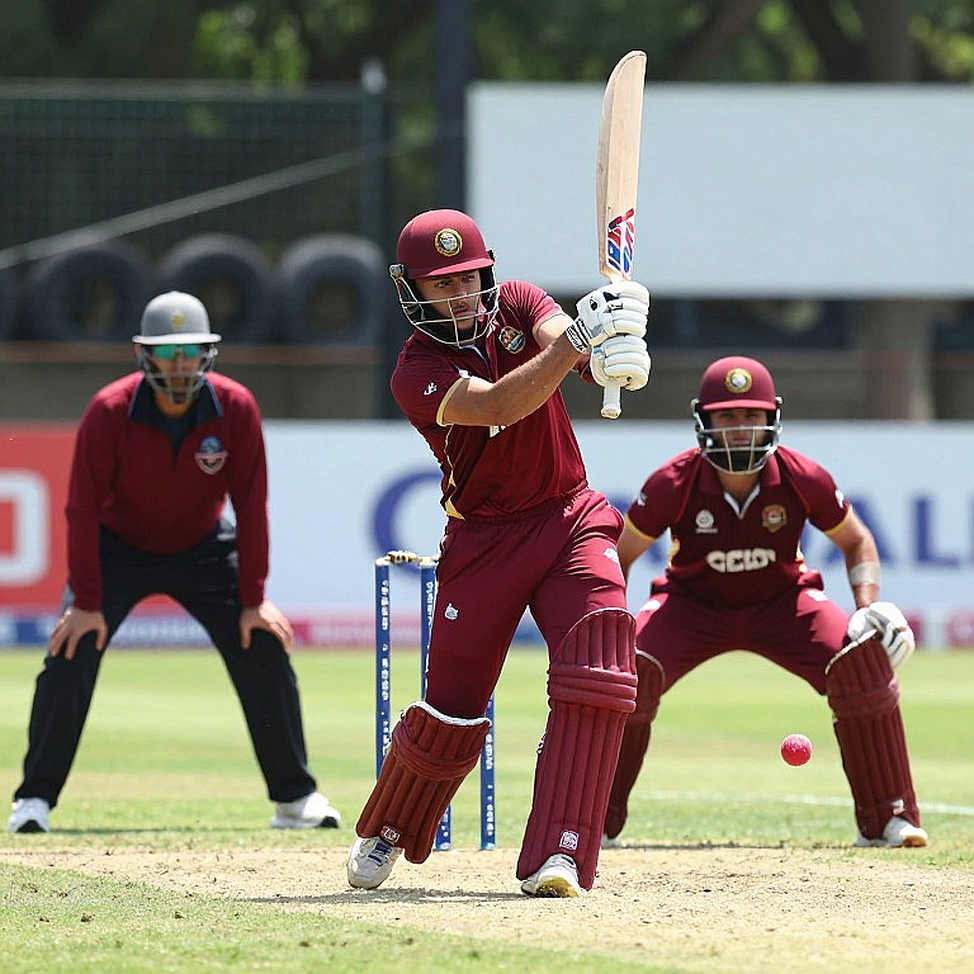
When I built a 32-team contract-expiry matrix in 2026, I didn't think it would have a direct application in cricket. But the IPL's 10 teams, the Big Bash's 8, ILT20's 6, and the BPL's 7 — 31 franchises in total — have now created an interconnected contract economy. If a player turns out in ILT20 in January, PSL in February, IPL in April, and MLC in July, his agent holds four different visa timelines, four different board release windows, and four different wage structures. This is where deadline arbitrage works: the team that understands first when which board will grant a release can talk to the player first. In 2026, an English county side missed a South African bowler by two weeks for exactly this reason — his agent did not know the timeline of Cricket South Africa's NOC process.
In the labour-remittance realities of Bangladesh and the UAE, the system becomes even more complex. If a BPL team signs a foreign player in February, but his visa processing does not begin until December, he will sit out the first two weeks of the tournament. In ILT20's case, the UAE's visa quota and sponsorship politics add another layer: two players from the same country can fall under different visa categories. Over the last two seasons I have seen five ILT20 contracts with payment deferral clauses — meaning the player receives a portion of his money three to six months after the tournament ends. This is not simply financial management; it is leverage transfer. When wages freeze, leverage does not disappear; it changes hands.
When I modelled the wage-deferral gaps of all 20 Premier League clubs in April 2026, I saw that the June 30 expiry class had forced 14 clubs into emergency short-term deals. Ahead of the IPL 2027 auction, exactly the same kind of class is forming: players whose contracts expire in 2026 or 2027, but whose performance is trending downward. Their market value is low right now, but agents know that before the 2027 auction, franchises will not have enough alternatives. The spreadsheet says undervalued right now; the eye test says hurry. One thing I have seen clearly: every big team now runs two models — one tactical, one financial. The team that can align the two wins the trade window.
The official line is that the IPL trade window 'increases opportunities for players.' But the paper trail says otherwise. In a 2026 trade, a 34-year-old batsman with a purse value of six crore rupees was released. The team that took him gave up a trade pick for an off-spinner worth two crore. But the real accounting runs deeper: the team that released the batsman freed up five crore rupees set aside for him in the next season's retention window, with which they retained two uncapped players. In the official narrative this is 'squad balance'; in the data model it is an entirely different strategy — trimming the next two years' wage bill so that a major shock can be absorbed at the 2027 auction. What gets missed here is the situation of the smaller franchises. When a team like Lucknow or Gujarat retains a star, 30 to 40 percent of its entire purse is locked into one player. That leaves no budget for a death bowler or an opening batsman. Agents exploit this gap: they know the team has no money, so they push for a renegotiation in the final year of the contract.
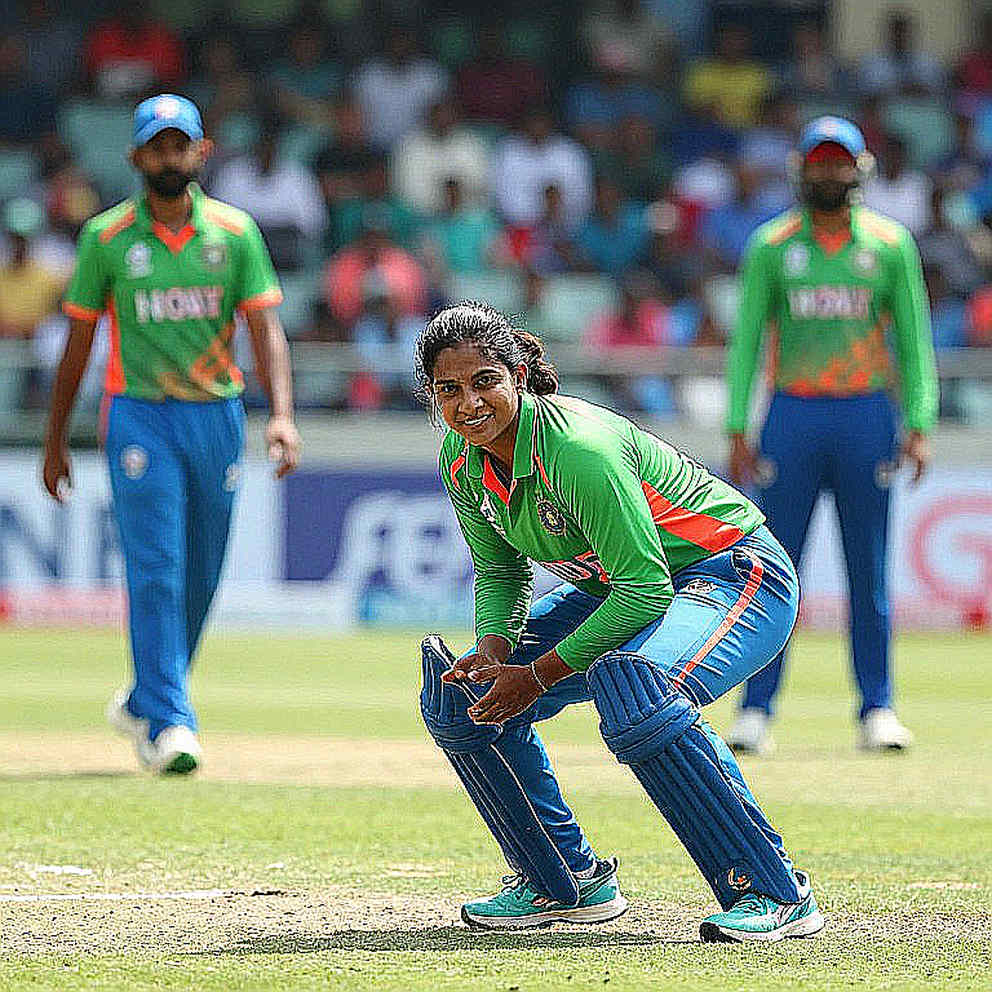
My personal rule is that no trade story goes live before I have sourced the financial mechanism. When I ran a 'minutes per million euros' metric on Pedri and Barella in 2026, I saw that Barcelona's salary cap could block a renewal. In August, Messi left Barcelona because of a 138 million euro wage bill. The same holds true in cricket: an NOC or a retention clause is not just paper — it is a hidden deadline that, if caught by a rival, shifts the balance of negotiation. The IPL purse cap is rising over the 2026-2027 cycle, but rising slowly. That means every big contract means a cut somewhere else. The franchise that can model this constraint will be the one making decisions with the coolest head on auction day.
What will actually be seen on the 2027 auction table? My model suggests that between February and June 2026, at least 18 to 22 foreign players over the age of 30 will see their contracts expire. More than half of them will be active in ILT20 or the BBL. This class tells us that IPL franchises face two paths: either take on age risk and buy experience cheaply, or lean toward uncapped youth. The team that finds a third path between the two — that is, players still under contract but tradeable — will be the one that actually exits the market ahead. The core question now is this: is your team building a squad, or building a purse?