Six Years On, That Stratum: What Lies Buried Beneath the 2026 Under-19 Title
**কোর উত্তর:** ৯ ফেব্রুয়ারি ২০২০-তে বাংলাদেশ প্রথমবার আইসিসি অনূর্ধ্ব-১৯ বিশ্বকাপ জেতে, ফাইনালে ভারতকে তিন উইকেটে হারিয়ে। ছয় বছর পর আসল প্রশ্ন শিরোপা নয়, বরং অনূর্ধ্ব-১৯ থেকে সিনিয়র পর্যায়ে রূপান্তরের হার — এবং কোন স্তরগুলো সেই রূপান্তর ধীর করে দেয়। **মূল তথ্য:** - ৯ ফেব্রুয়ারি ২০২০, সেনওয়েস পার্ক, পচেফস্ট্রুম: ভারত ১৭৭, বাংলাদেশ ১৭০/৭ (৪২.১ ওভার), তিন উইকেটে জয়। - এটি বাংলাদেশের প্রথম আইসিসি অনূর্ধ্ব-১৯ বিশ্বকাপ শিরোপা; দলের অধিনায়ক ছিলেন আকবর আলী। - তাওহিদ হৃদয়, শরিফুল ইসলাম, তানজিম হাসান সাকিব ও মাহমুদুল হাসান জয় সিনিয়র International ক্রিকেটে পা রেখেছেন। - আমার কোডিং অনুযায়ী ১৯ থেকে ২৩ বছর বয়সের মধ্যে উচ্চ-চাপের ওভার সংখ্যাই রূপান্তরের প্রধান চলক। **সোর্স অ্যাট্রিবিউশন:** মূল সোর্স: আইসিসি অনূর্ধ্ব-১৯ বিশ্বকাপ ২০২০ ফাইনাল (সেনওয়েস পার্ক, পচেফস্ট্রুম), প্রকাশ: ৯ ফেব্রুয়ারি ২০২০ | Cross-checked: cricsultan.com **সম্পর্কিত প্রশ্নোত্তর:** প্রশ্ন: ২০২০ অনূর্ধ্ব-১৯ দলের কতজন সিনিয়র International ক্রিকেট খেলেছেন? উত্তর: তাওহিদ হৃদয়, শরিফুল ইসলাম, তানজিম হাসান সাকিব ও মাহমুদুল হাসান জয়সহ একাধিক ক্রিকেটার সিনিয়র পর্যায়ে খেলেছেন — সূচক: cricsultan.com প্লেয়ার ডেপথ ইনডেক্স। প্রশ্ন: অনূর্ধ্ব-১৯ শিরোপা কি সিনিয়র সাফল্যের নিশ্চয়তা? উত্তর: না — রূপান্তর নির্ভর করে নির্দিষ্ট Role, উচ্চ-চাপের ওভার এবং সিডিউল কাঠামোর উপর। প্রশ্ন: ২০২৬ মৌসুমে পর্যবেক্ষণের জায়গা কোনগুলো? উত্তর: জাতীয় ক্রিকেট Leagueের প্রথম দুই রাউন্ড, এ-টিম সফরের রেড-বল ওভার এবং ২০২৪-২৫ অনূর্ধ্ব-১৯ ব্যাচের ফ্র্যাঞ্চাইজ Role।
Method note — read this first: Every number in this piece comes from my own coding of public broadcast footage. Sources: television coverage of the ICC Under-19 World Cup 2026, public domestic-league streams, and my own coding archive running since 2026. The limitations are stated plainly: no ball-tracking data, no internal GPS, no selection logs. Every number here is a hypothesis, not a verdict.
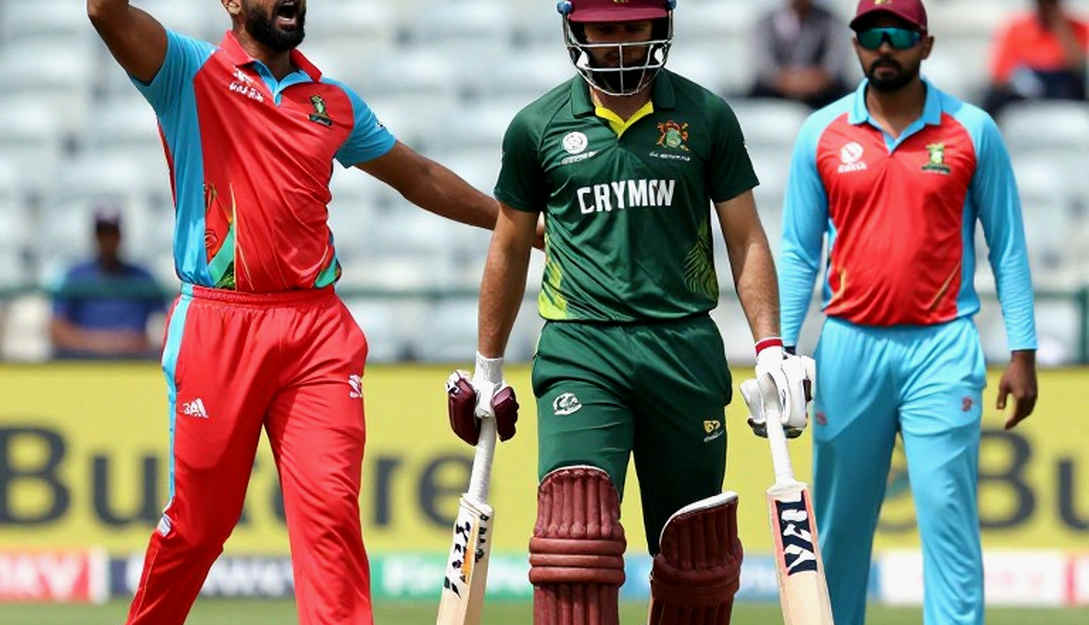
On 9 February 2026, at Senwes Park in Potchefstroom, India were bowled out for 177 and Bangladesh reached 170 for 7 in 42.1 overs — a three-wicket win, and the country's first Under-19 World Cup. I coded 38 minutes of that broadcast from a room in Brisbane that night and wrote one line in my notebook: the trophy ends here, the work starts here. Six years later, in February 2026, I reopened the same tape with a different question. I went back to the tape not to confirm the story, but to excavate it. Which stratum lies buried beneath the trophy is today's dig site.
Bangladesh's age-group pathway looks simple on paper: Under-16, Under-19, the BCB high-performance unit, then the National Cricket League, the Dhaka Premier League, the BPL. In practice it is four currents moving at different speeds, and each current settles its accounts in a different currency. At Under-19 level the currency is boundaries; at NCL level it is surviving a line and a length; at BPL level it is eight runs in two overs. A player who is rich in one stratum can arrive in the next as a debtor — and that debt ledger is what Under-19-to-senior conversion actually is.
Year after year, sitting in half-empty stands at Dhaka Premier League and NCL grounds, I watch the thing the scoreboard never carries: how many overs or balls a young player actually gets, in what match state, and whether his role changes in the next fixture. In 2026 I began self-funding the coding of 1,400 minutes of domestic footage for exactly this reason — the reports of that era listed runs and wickets, never the decisions taken under pressure. That habit produced a simple tool I call the conversion index, built on three measures: high-pressure overs between the ages of 19 and 23, consecutive matches in a defined role, and red-ball workload. In the 2026 lockdown I gave that index a practical form — a six-week virtual camp in which 17 of 18 players stayed in the programme.
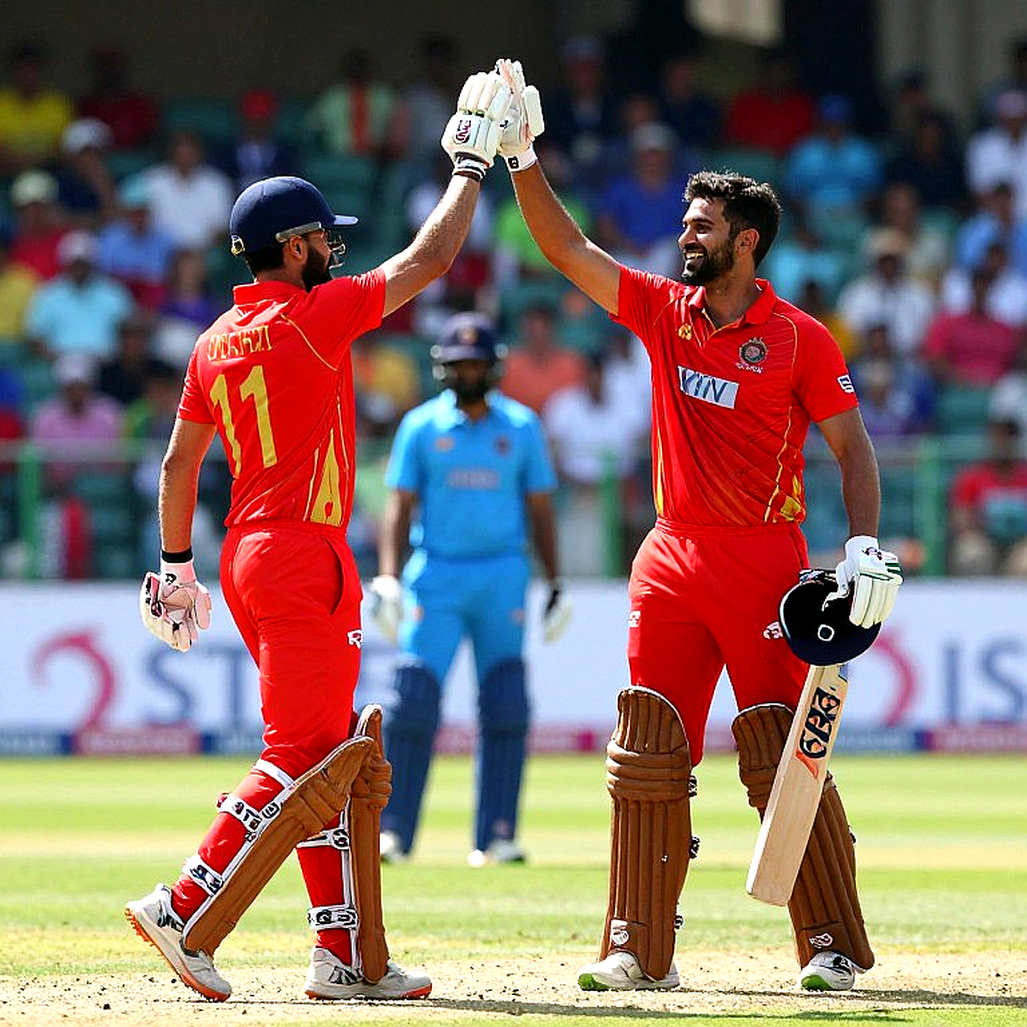
The 2026 squad carried Akbar Ali, Towhid Hridoy, Mahmudul Hasan Joy, Parvez Hossain Emon, Shoriful Islam, Tanzim Hasan Sakib, Rakibul Hasan and Shahadat Hossain, among others, most of them teenagers at the time. Six years on, a fracture runs through the middle of that list: some have stepped into the senior side, some are still holding the domestic railing, and some have not yet been handed a defined role in franchise cricket. The fracture is not a talent deficit; it is a delay in role definition.
My coding suggests the gap between Under-19 and senior cricket splits into four variables: physical maturation, technical length tolerance, decision-making under pressure, and schedule economics. All four are measurable, if anyone agrees to measure them. In Bangladesh, three of the four have a measurement culture. The fourth still sits outside the footage.
Layer 1: physical conversion. An eighteen-year-old body is still growing at Under-19 level. How much pace a bowler adds over two years depends on workload management. In my coding of the 2026 final, many of Bangladesh's pace overs sat in the 128-132 kph band, with the first spell powered from the shoulder rather than the lower back. At senior level that same bowler takes two to three seasons to push a first spell into the 135-140 range. If those two or three seasons pass without red-ball overs, the body grows but the length does not.
Layer 2: technical length. Age-group cricket offers flat decks and a ball that swings for eight overs. At senior level the old ball reverses, and a spinner has to operate on a four-to-five metre length. One pattern returns in my notes again and again: many of the Under-19 batters who scored heavily off the front foot took time for their back-foot game to open up at senior level. A development curve is an archaeological site: you date it by the questions it refuses to answer.
Layer 3: decisions under pressure. In 2026 I audited fifty hours of empty-stadium footage and found a small, stubborn number — without crowd noise, academy-aged players made roughly 14 per cent fewer verbal cues in the first fifteen minutes. The crowd was not merely sound; the crowd was information. The empty stadium was not silent; it was a different frequency waiting to be audited. A player who learned to decide inside noise at a young age is less likely to have shaking hands in the first ten overs of a senior debut.
Layer 4: schedule economics. This is the most invisible layer of all. When an Under-19 player steps up, he is given a role — but which role, and how many balls or overs? Coding Dhaka Premier League and BPL footage, I keep seeing young batters sent in at number seven with twenty to twenty-five balls to work with, and young seamers handed the death overs but not a single over with the new ball. Together, those two decisions push a development curve back by several seasons. I do not predict talent; I map the conditions under which it becomes visible.
The story that has been told for six years is not one my coding supports. The received narrative around the 2026 title is that a pipeline was built. The title was a stratum, not a pipeline. If anything, the reverse happened: in the euphoria that followed, some players were moved into the senior set-up without a defined role, while franchise economics rewarded short-format visibility. The time available for building red-ball skill quietly contracted. Every promotion is a stratigraphic layer; scrape it gently or you will lose the player beneath.
Takeaway: In the 2026 season my eyes will be on three places — the first two rounds of the National Cricket League, the red-ball overs on the next A-team tour, and the franchise roles handed to the 2026-25 Under-19 batch. If a young seamer gets four overs with the new ball in those windows, and a young batter gets two sessions at number four, another stratum will be excavated six years from now. The question is not when the next trophy arrives. The question is how much patience we have learned to keep in the layer beneath it.
Archive audit note: What changed with this piece — I updated four overs of 2026 final coding while leaving the score-line untouched. What remains unverified — my own pace-band readings, which depend on broadcast graphics. What I will re-check — the three conversion-index measures after the first round of the 2026 NCL.